
Lab Alliance Ultrapure Water Systems are essential for maintaining the integrity of pharmaceutical laboratories Lab water. These systems utilize advanced filtration technologies, ensuring water purity that meets rigorous industry standards. They offer real-time monitoring and customizable configurations to address specific laboratory requirements. Additionally, the systems are designed for durability and low maintenance, which contributes to operational efficiency. However, understanding the full implications of these features and their impact on pharmaceutical processes requires deeper exploration.

Importance of Water Purity in Pharmaceutical Laboratories
While the development of pharmaceuticals relies heavily on various factors, the significance of water purity cannot be overstated. Water contamination poses a substantial risk in pharmaceutical laboratories, potentially compromising product integrity and patient safety.
Contaminants such as heavy metals https://laballiance.com.my/, organic compounds, and microorganisms can interfere with chemical reactions and stability, leading to ineffective or harmful medications. Consequently, rigorous purification methods are essential to guarantee the water used in pharmaceutical processes meets stringent quality standards.
Techniques such as reverse osmosis, deionization, and ultraviolet irradiation are commonly employed to remove impurities and achieve ultrapure water. Each method serves a specific purpose, effectively addressing different types of contaminants to produce water suitable for sensitive applications.
Maintaining high water purity levels is not merely a regulatory requirement; it is foundational to fostering innovation and guaranteeing the efficacy of pharmaceutical products, ultimately supporting the freedom of choice for consumers in their healthcare decisions.
Features of Lab Alliance Ultrapure Water Systems
Lab Alliance Ultrapure Water Systems stand out for their advanced technological features designed to meet the stringent demands of pharmaceutical laboratories.
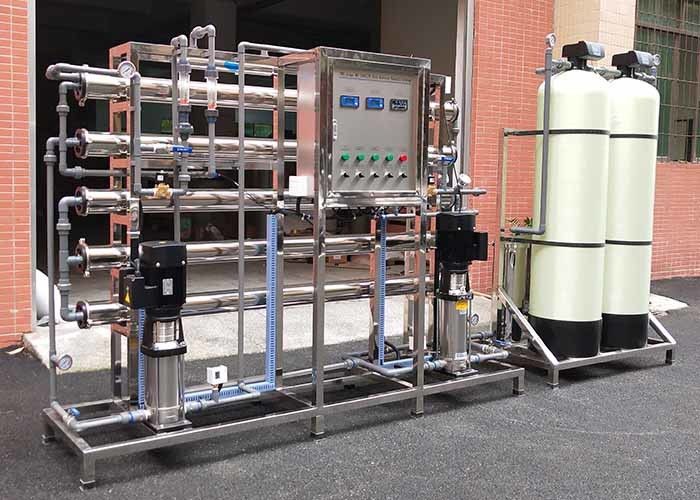
These systems employ cutting-edge filtration technologies, including reverse osmosis, deionization, and ultrafiltration, ensuring the removal of contaminants to achieve high levels of purity.
Each unit is equipped with a sophisticated water monitoring system that continuously assesses water quality parameters, such as resistivity and total organic carbon (TOC), providing real-time feedback and alerts. This allows laboratories to maintain compliance with regulatory standards effectively.
Additionally, the modular design of Lab Alliance systems offers flexibility, enabling users to customize configurations according to specific laboratory needs.
Enhanced durability and low maintenance requirements further contribute to their appeal, ensuring long-term reliability in critical applications.
Technological Advancements in Water Purification
Recent developments in water purification technology have greatly advanced the ability to produce ultrapure water suitable for various laboratory applications. Innovations in membrane technology and filtration techniques have led to significant improvements in purification processes, ensuring the highest quality standards are met.
Key advancements include:
- Advanced Membrane Filters: Utilizing polymeric and ceramic membranes to effectively remove contaminants at the molecular level.
- Multi-Stage Filtration: Combining various filtration methods to achieve unparalleled purity, including reverse osmosis and ultrafiltration.
- Electrodeionization (EDI): Integrating ion exchange and electrical processes to continuously produce ultrapure water without the need for chemical regenerants.
- Real-Time Monitoring Systems: Implementing sensors and automated systems to provide live feedback on water quality, enhancing reliability and efficiency.
These filtration innovations not only improve the overall efficacy of ultrapure water systems but also empower laboratories to maintain the freedom to conduct precise, high-stakes research with confidence.
Compliance With Regulatory Standards
Ensuring compliance with regulatory standards is essential for ultrapure water systems, as these guidelines dictate the quality and purity levels necessary for laboratory applications.
Pharmaceutical laboratories face rigorous scrutiny during regulatory audits, which assess adherence to established benchmarks for water quality. Non-compliance can lead to severe consequences, including halted production and financial penalties.
Laboratories often encounter compliance challenges, particularly regarding the evolving nature of regulations and the integration of new technologies. Maintaining accurate documentation and validation processes is critical to demonstrate conformity during audits.
Furthermore, selecting ultrapure water systems designed with built-in compliance features can aid laboratories in maneuvering these complexities. These systems should incorporate real-time monitoring capabilities, ensuring that water quality consistently meets or exceeds regulatory expectations.
Ultimately, a proactive approach to compliance not only safeguards laboratory operations but also fosters confidence in the integrity of pharmaceutical products.
Cost-Effectiveness and Reliability
Cost-effectiveness and reliability are paramount considerations when selecting ultrapure water systems for laboratory environments. A thorough cost analysis reveals that investing in high-quality systems can yield significant long-term savings. These systems not only minimize operational costs but also guarantee consistent performance, enhancing laboratory efficiency.
Key factors influencing cost-effectiveness and reliability include:
- Initial Investment: Evaluating the upfront costs versus expected lifespan.
- Operational Efficiency: Analyzing energy consumption and maintenance needs.
- Water Quality Assurance: Securing compliance with purity standards to avoid costly rework.
- Technological Advancements: Incorporating innovations that reduce waste and improve yield.
Choosing a reliable ultrapure water system consequently represents a strategic decision, aligning financial prudence with operational excellence.
Customer Support and Maintenance Services
While the quality of ultrapure water systems is critical, the importance of robust customer support and maintenance services cannot be overlooked.
Lab Alliance offers thorough customer training programs designed to empower laboratory personnel with the necessary skills to operate and maintain ultrapure water systems effectively. These training sessions guarantee that users are well-versed in system functionalities, troubleshooting, and routine maintenance protocols.
Additionally, Lab Alliance provides customizable service contracts tailored to the specific needs of pharmaceutical laboratories. These contracts encompass regular maintenance checks, prompt repairs, and software updates, guaranteeing peak system performance and longevity.
By establishing a proactive maintenance strategy, laboratories can minimize downtime and guarantee uninterrupted access to ultrapure water, which is essential for their operations.
Collectively, these customer support initiatives enhance user confidence and operational efficiency while facilitating compliance with stringent industry regulations.
Conclusion
In conclusion, Lab Alliance Ultrapure Water Systems represent a critical investment for pharmaceutical laboratories, guaranteeing optimal water purity essential for maintaining product integrity and safety. Their advanced filtration technologies, coupled with real-time monitoring capabilities, enhance operational efficiency while adhering to stringent regulatory compliance. The systems’ durability and low maintenance further underscore their cost-effectiveness and reliability. Ultimately, Lab Alliance’s commitment to customer support guarantees that laboratories can focus on innovation and quality in their research and production processes.